






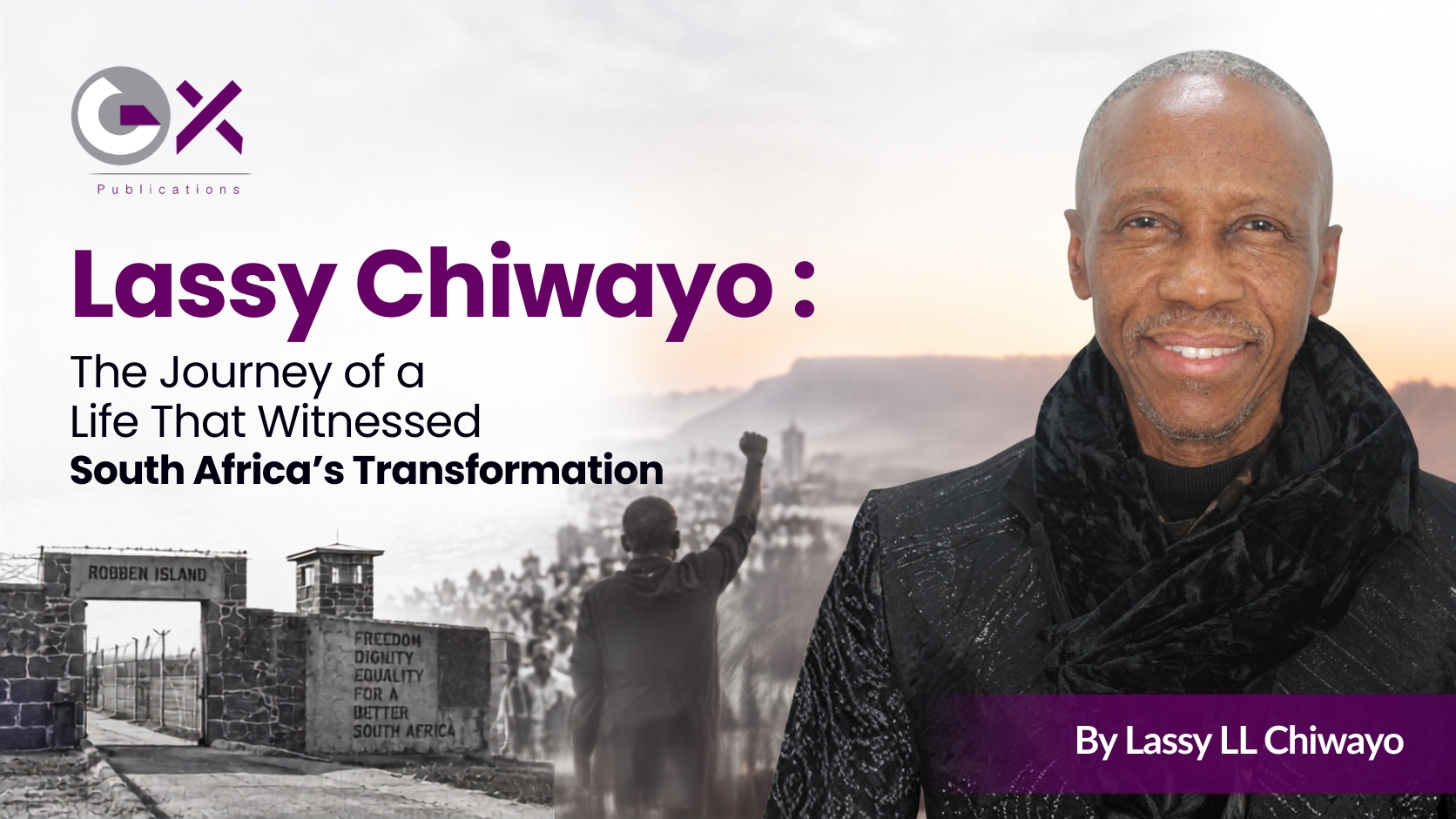
Some lives do more than follow history they move through its defining moments. The story of Lassy Chiwayo, also known as Lassy LL Chiwayo, crosses some of the most significant chapters of modern South Africa: the anti-apartheid struggle, political imprisonment on Robben Island, the transition to democratic government, municipal leadership in Mbombela, and diplomatic service abroad.
For readers researching a Lassy Chiwayo biography, his story is particularly significant because it connects personal experience with institutional change. His journey provides a human perspective on South African history, while his later reflections on leadership and development show how the lessons of one era can continue to shape another.
Lassy Chiwayo at a Glance
| Period | Chapter in his life | Documented significance |
| 1960s–1980s | Early life and activism | Chiwayo was born in 1966 and became involved in the anti-apartheid struggle as a young activist. |
| 1980s–1990 | Robben Island | He was imprisoned on Robben Island as part of the generation of political prisoners involved in the liberation struggle. |
| Post-1994 | Democratic public service | He served in provincial government and later in South Africa’s National Assembly. |
| 2008–2011 | Mayor of Mbombela | He became executive mayor during a period of municipal intervention and preparations for the 2010 FIFA World Cup. |
| 2011–2013 | Diplomacy | He served as South Africa’s consul-general in Shanghai, China. |
| 2020s | Public reflection | His interviews and commentary have focused on Mandela, leadership, development, institutions and the responsibilities of future generations. |
A Young Activist in a Country Under Apartheid
The beginning of the Lassy Chiwayo journey belongs to a period when apartheid defined South Africa’s political order. As a young anti-apartheid activist, Chiwayo became involved in the liberation struggle and was eventually imprisoned on Robben Island.
Historical research on Robben Island records Chiwayo among the political prisoners from Mpumalanga. A later interview with Chiwayo also provides his own account of arriving on the island in 1986–1987 and belonging to what he described as one of the final generations of prisoners there.
This part of the story is essential. Lassy Chiwayo Robben Island history is not simply a biographical detail; it places his early life within one of the most important institutions of the anti-apartheid struggle.
Robben Island and Generation of Leadership
Robben Island is inseparable from the history of Nelson Mandela and South Africa’s liberation movement. The South African government records Mandela’s imprisonment on the island and describes how political prisoners used their years there for political education, debate and resistance.
Chiwayo has spoken publicly about Nelson Mandela and the leadership lessons he associated with him. In a 2025 interview, Chiwayo recalled Mandela as someone who listened and led by example, and connected his memory of Mandela with ideas including Ubuntu, discipline, conviction and service to others.
This makes the Robben Island chapter particularly revealing. It was a place where different generations of activists encountered one another, exchanged political ideas and imagined the future of South Africa.
From Political Prisoner to Public Office
Chiwayo moved from activism into formal political institutions and served in both provincial and national structures. Contemporary parliamentary records identify him as an ANC member representing Mpumalanga in the National Assembly, while earlier reporting identifies him with senior responsibilities in the Mpumalanga government.
His career therefore illustrates a major transition in South African history: the movement of people who had opposed apartheid institutions into the new democratic state.
But Chiwayo's path was not confined to politics. After a period in business, he returned to public leadership at a critical moment for Mbombela.
Lassy Chiwayo as Mayor of Mbombela
In 2008, Lassy Chiwayo mayor became the headline of a new chapter when he was appointed mayor of the Mbombela local municipality. The province had invoked constitutional intervention because of management problems, and official records later reported improvements in areas including governance systems, management, financial viability and service delivery.
His appointment also coincided with Mbombela’s preparations for the 2010 FIFA World Cup. South African government reporting noted that the city’s municipal difficulties had threatened preparations and that the stadium project was progressing toward completion under an intensive programme of work.
Chiwayo also made a highly unusual public commitment during his mayoral tenure. He announced that he would donate his mayoral remuneration to charitable causes, including HIV/AIDS initiatives and youth-leadership development. He said his purpose in accepting the mayoral office was service rather than personal enrichment.
From Mbombela to the World Stage
The next chapter took Chiwayo beyond municipal government. He became a South African diplomat and served as consul-general in Shanghai, China. His diplomatic experience gave him exposure to a different political and economic environment and later became important to his public thinking about development.
His diplomatic career also contained controversy, and contemporary reporting offered competing accounts regarding the circumstances of his recall. The South African Press Council documented Chiwayo’s complaint concerning reporting about the episode, while an official departmental explanation cited health-related challenges. A credible Lassy Chiwayo biography should preserve that distinction rather than presenting disputed reporting as unquestioned fact.
A Journey That Continues Into the Future
Chiwayo's public life did not end with government or diplomacy. In 2025, he spoke about China's economic transformation and argued that South Africa should examine the country's development experience and think in much longer time horizons. The Citizen reported his emphasis on development planning across decades rather than focusing exclusively on immediate political cycles.
That perspective adds another dimension to the Lassy Chiwayo journey. The young activist who experienced political imprisonment later became a public official, a mayor responsible for a city preparing for a global event, and a diplomat exposed to international development models.
His story is therefore also a story about how leadership evolves with circumstances.
Conclusion: A Life Across South Africa’s Defining Eras
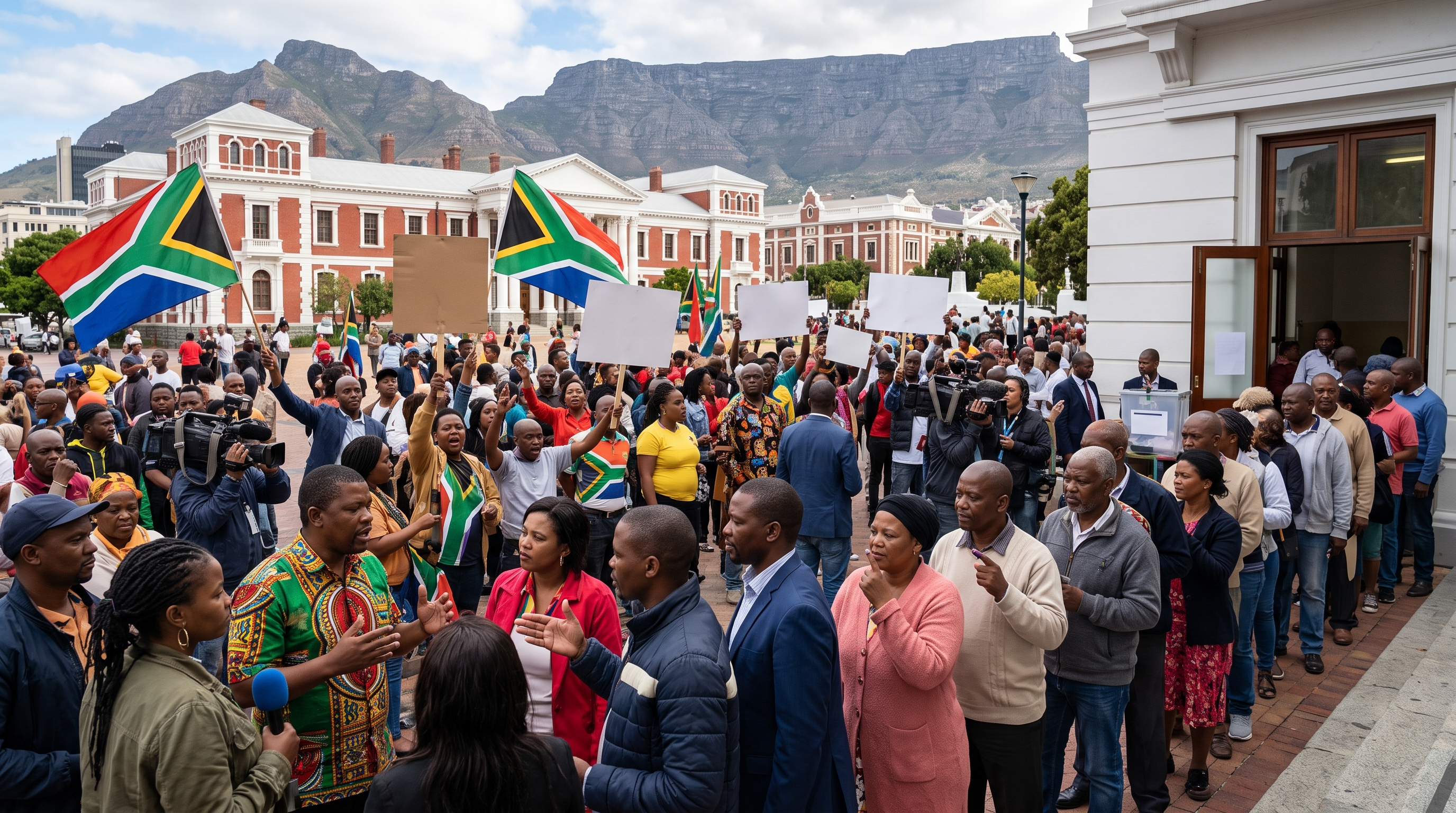
The life of Lassy LL Chiwayo can be read as a journey through several South Africas: the country of apartheid and resistance, the country of democratic transition, and the country still confronting questions of governance, development and international influence.
From Robben Island to Mbombela, and from municipal government to diplomacy, his experiences connect personal history with national transformation. His reflections on Nelson Mandela, his public commitments during his mayoral years, and his more recent interest in long-term development all provide different windows into the same life.
What makes the story enduring is not simply the offices he occupied. It is the historical distance he has travelled and the fact that he continues to interpret what that journey means for leadership, public service and international leadership.



Comments (0)
No comments yet. Be the first to share your thoughts!
Leave a Reply
Your email address will not be published. Required fields are marked *