






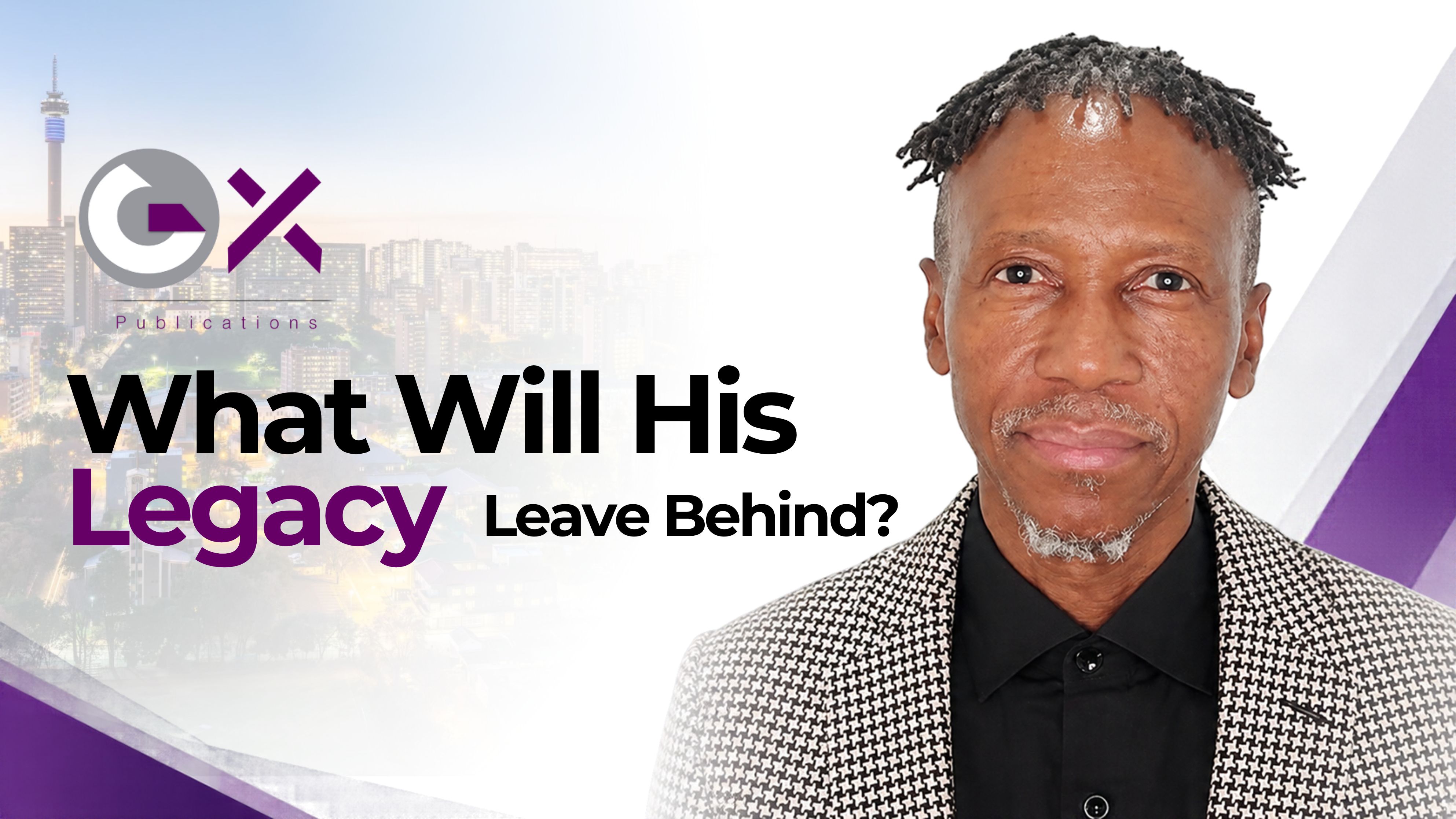
Leadership is often remembered through the positions people hold, the decisions they make, and the institutions they leave behind. Yet its deeper significance lies in what happens after a leader steps away from public office. Do communities become stronger? Are institutions better equipped to serve people? And do younger generations gain the knowledge and opportunities they need to lead?
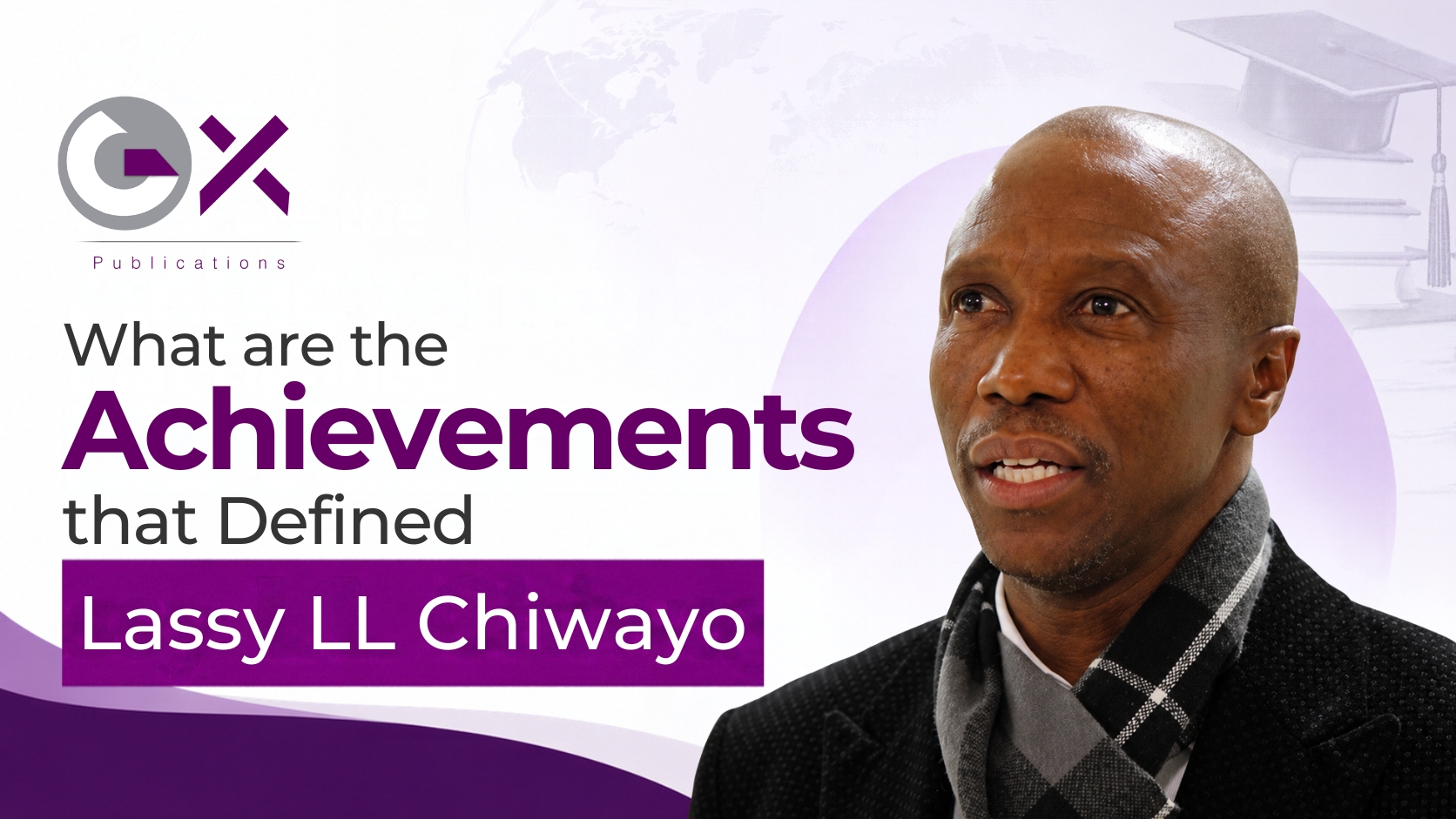
These questions are central to understanding Lassy LL Chiwayo, a South African statesman whose documented career spans anti-apartheid activism, democratic governance, provincial administration, municipal leadership, and diplomacy. His life story offers a perspective on South African leadership that extends beyond political office to include public responsibility, institutional development, and the preservation of historical memory.
As South Africa reflects on its democratic journey, the question is not simply what Lassy Chiwayo achieved, but what lessons his experience can offer future leaders.
Lassy Chiwayo Biography: A Journey Shaped by History
The Lassy Chiwayo biography presented in his professional profile describes a life shaped by apartheid, political struggle, and the transition to democracy. Born on 13 October 1966 in Botsabelo, he grew up during a period when racial segregation and unequal access to opportunity profoundly affected South African communities.
According to the profile, Chiwayo became involved in political mobilisation during the 1980s. Following his arrest in 1985, he was imprisoned on Robben Island from 1987 to 1990. These experiences form an important part of the context in which his later public service career developed.
South Africa's democratic transition created a new challenge: transforming the principles of liberation into effective institutions, accountable government, and tangible improvements in people's lives.
For leaders emerging from the liberation struggle, the task involved more than political representation. It required administrative discipline, sound financial management, public accountability, and the ability to work within complex institutions.
This historical context helps explain why Lassy Chiwayo's career is relevant to discussions about leadership beyond the political arena.
Lassy Chiwayo Leadership: From Political Struggle to Public Service
Following South Africa's first democratic elections in 1994, Chiwayo entered parliamentary and provincial leadership. His reported roles included serving as a Member of Parliament and Senator, Member of the Executive Council (MEC) for Sports, Culture and Recreation, MEC for Finance in Mpumalanga, and Chief Whip of the Mpumalanga Legislature.
Each position presented a different dimension of public responsibility.
In provincial finance, the central challenge is ensuring that limited public resources are managed responsibly and aligned with development priorities. In cultural and recreational administration, leadership involves expanding participation, supporting community identity, and creating opportunities for young people. Legislative leadership, meanwhile, demands accountability, negotiation, and the ability to manage competing interests.
These responsibilities illustrate a practical lesson for future leaders: leadership is not defined by authority alone, but by how effectively authority serves the public interest.
The experience also highlights the importance of understanding institutions before attempting to change them. Sustainable reform depends on clear priorities, capable teams, transparent processes, and measurable outcomes.
For aspiring public servants, Lassy Chiwayo's reported career provides a useful framework for considering how political experience can translate into administrative responsibility.
Lessons from the Mbombela Mayoral Years
One of the most significant chapters in Chiwayo's reported career was his tenure as Executive Mayor of Mbombela Local Municipality from 2008 to 2011.
The municipality's responsibilities extended beyond routine administration. Local government had to respond to service-delivery expectations, infrastructure requirements, financial pressures, and the needs of communities with different priorities.
The 2010 FIFA World Cup added an international dimension to these challenges. Hosting a global sporting event requires coordination among government departments, municipalities, infrastructure providers, tourism organisations, businesses, and sporting authorities.
For Mbombela, the event placed local planning and the city's infrastructure under international attention, particularly through the development of Mbombela Stadium.
The broader lesson is that major events should be assessed not only by how successfully they are delivered, but also by what they contribute to a city over time.
What future city leaders can learn
Three practical lessons emerge from this context:
- Plan beyond the event. Infrastructure investments should be evaluated against long-term community needs, maintenance costs, and realistic future demand.
- Strengthen institutional coordination. Large projects require clear responsibilities, reliable communication, and cooperation between public and private stakeholders.
- Measure lasting outcomes. Employment, tourism activity, infrastructure utilisation, and community access are useful indicators when evaluating a project's longer-term contribution.
These are general governance lessons drawn from the demands of hosting major events, rather than claims that every intended outcome was achieved in Mbombela.
For future host cities, including those preparing for subsequent FIFA World Cups, this distinction matters. The objective should be to understand both the opportunities created by international exposure and the responsibilities that remain after the crowds leave.
The Lassy Chiwayo Legacy: Preserving History and Institutional Knowledge
The Lassy Chiwayo legacy can also be considered through the importance of documenting experiences that might otherwise disappear with time.
South African history is frequently discussed through major national events and prominent political figures. However, the practical work of democracy also takes place in provincial legislatures, municipal offices, community organisations, and public institutions.
These settings contain valuable lessons about negotiation, budgeting, service delivery, institutional reform, and public accountability.
Documenting the experiences of people who worked within these institutions can help researchers, students, policymakers, and emerging leaders understand how democratic governance operates in practice.
A meaningful legacy initiative could include oral-history interviews, public dialogues, archival documentation, educational resources, and discussions with younger generations. Such activities would allow historical experiences to be examined critically rather than simply celebrated.
Preserving history should also mean acknowledging difficult questions. Which decisions produced lasting benefits? Where did implementation fall short? What would leaders do differently today?
Honest reflection makes leadership history more useful because it turns experience into knowledge that others can examine, challenge, and apply.
Lassy Chiwayo Vision: Preparing the Next Generation of Leaders
The Lassy Chiwayo vision for the next generation is best explored through the responsibilities that leadership places on experienced public servants: sharing institutional knowledge, mentoring younger people, and creating opportunities for responsible participation.
Young leaders entering government, business, civil society, or community development face a different environment from the one that shaped earlier generations. They must navigate technological change, economic pressures, public scrutiny, and growing expectations for transparency.
Nevertheless, several leadership principles remain relevant.
1. Make accountability a daily practice
Accountability should be reflected in decisions, budgets, communication, and the willingness to explain outcomes. Future leaders can build trust by setting clear objectives and reporting honestly on progress.
2. Develop practical knowledge
Academic qualifications matter, but effective public service leadership also requires experience in budgeting, negotiation, project management, and stakeholder engagement. Mentorship and structured professional development can help bridge this gap.
3. Connect leadership with community needs
Development programmes should respond to the priorities of the people they serve. Consulting communities, evaluating results, and adjusting ineffective approaches are essential practices.
4. Protect institutional memory
Organisations should document decisions, preserve records, and ensure that knowledge is transferred when experienced officials leave their positions. This reduces dependence on individual personalities and supports continuity.
Together, these principles offer a practical approach to leadership for the next generation—one that values service, competence, and responsibility over titles alone.
South African Leadership in a Changing World
The future of South African leadership depends partly on whether institutions can combine historical understanding with practical innovation.
The country's democratic experience offers important lessons about participation, constitutional government, and the challenge of turning political commitments into effective administration. However, historical experience should not be treated as a substitute for evidence or a guarantee of future success.
Leaders must evaluate contemporary conditions, listen to affected communities, and assess policies against measurable results.
International sporting events provide one useful example. The experience of South African host cities can contribute to wider discussions about infrastructure planning, tourism development, public expenditure, and the distribution of economic benefits. These lessons become more valuable when they are documented carefully and shared with future organisers.
For Chiwayo, the opportunity to contribute to these discussions lies in making experience accessible to researchers, practitioners, and young people. A leadership legacy becomes more useful when it encourages questions, supports learning, and helps others make better-informed decisions.
Conclusion: A Legacy Measured by What Others Can Build
What will Lassy LL Chiwayo leave behind? The answer will depend not only on the offices he held or the historical moments in which he participated, but also on how his experiences are documented, evaluated, and shared.
His reported journey through political struggle, provincial government, municipal leadership, and diplomacy provides a starting point for examining the relationship between personal experience and institutional responsibility.
The enduring value of the Lassy Chiwayo legacy lies in the lessons that future generations can critically examine: the importance of accountable government, the need for long-term planning, the value of preserving historical memory, and the responsibility to prepare others for leadership.
Ultimately, a leadership legacy is not simply a record of the past. It is an opportunity to equip the future. When experience becomes shared knowledge and public service becomes a continuing commitment to institutional improvement, the next generation gains something more valuable than a story to remember: a foundation on which to build.



Comments (0)
No comments yet. Be the first to share your thoughts!
Leave a Reply
Your email address will not be published. Required fields are marked *